Aluminium: machining and finishing
Aluminium is one of the most frequently requested materials — light, easy to machine, and versatile to finish. Through our qualified manufacturing network we procure milled and turned aluminium parts in the common alloys, including matching surface treatment.
ISO 9001 certified by TÜV
Frequently requested alloys
- EN AW-6082
- EN AW-6060 and EN AW-6061
- EN AW-7075
- EN AW-5754
- EN AW-5083
Surface finishing
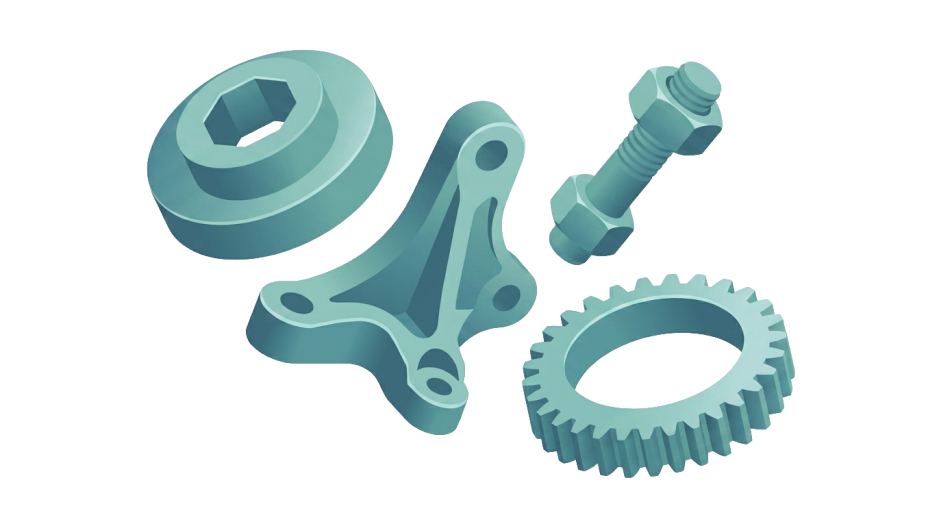
In addition to machining, our network also covers the right surface finishing — tailored to function, appearance, and corrosion protection.
>100
Manufacturing partners
<48h
Quote turnaround
<28d
Delivery time
>95%
On-time delivery
Light, precise, finished
From milled housing components to anodized visible parts — our network delivers aluminium parts in the right alloy and finish. Upload your drawing and get expert advice.
Frequently Asked Questions
Which aluminium alloys are most commonly machined?
The most requested are EN AW-6082, 6060, and 6061 (easy to machine, versatile), EN AW-7075 (high strength), and EN AW-5754 and 5083 (seawater- and corrosion-resistant). The choice depends on strength, corrosion protection, and machinability.
Why aluminium for CNC parts?
Aluminium is light, easy to machine, corrosion-resistant, and versatile to finish. This makes it ideal for housings, mounts, structural parts, and anywhere low weight combined with good strength is required.
What's the difference between anodizing and hard anodizing?
Anodizing electrochemically creates a protective oxide layer — decorative and corrosion-protective. Hard anodizing produces a thicker, harder layer with greater wear protection, ideal for mechanically stressed functional surfaces.
What surface treatments are possible for aluminium?
Through our network we cover natural and colour anodizing, hard anodizing, chemical nickel plating, and painting. Which treatment makes sense depends on operating environment, load, and visual requirements.
What does machining aluminium parts cost?
Cost depends on alloy, geometry, tolerances, surface treatment, and quantity. Through our digital quoting system GP-Digit, based on your drawing, you'll typically receive a binding quote within 24 hours.
Do you manufacture in-house or through partners?
We orchestrate a network of carefully selected, highly specialized manufacturing partners in Germany and internationally. As your central procurement partner, we accompany the entire process from consulting to on-time delivery.